Posted on 9 Feb, 2026 in
Rethinking specialist access through Clinical Advice and Guidance™️: Talking HealthTech panel insights.
Healthcare systems across Australia, the UK and elsewhere are under sustained pressure. Demand for specialist care continues to rise, while capacity remains limited. For many patients, waiting months for a specialist appointment has become normal. For clinicians, particularly GPs working in regional and remote settings, timely access to specialist advice for complex cases can be difficult.
In a recent episode of Talking HealthTech (Episode 581), founder and host Peter Birch brings together clinicians, health service leaders and digital health experts to explore how Clinical Advice and Guidance™️ (A&G) models are helping to address these challenges in practice.
This article is a shortened reflection on that conversation. We strongly encourage readers to listen to the full episode and read the original article on the Talking HealthTech website.
Moving from referral first to advice first
Traditional referral pathways are built around face-to-face specialist appointments. As waitlists grow, this model is increasingly difficult to sustain. A&G, also known as eConsults offers an alternative: enabling primary care clinicians to ask targeted clinical questions and receive timely written input from specialists.
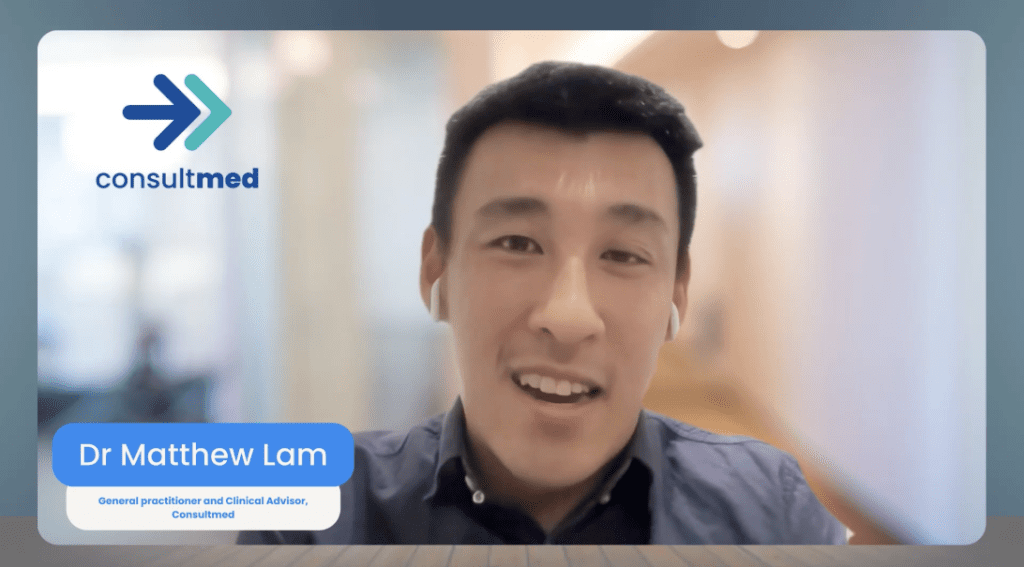
As Dr Matthew Lam notes in the episode:
“Clinical Advice and Guidance™️ brings this opportunity for us to give them specialist care.”
Rather than placing every patient on a waiting list, A&G allows many cases to be managed with written advice, targeted investigations, or reassurance. This helps clinics focus in-person appointments on the patients who need them most, while supporting safe care in the community for others.
Improving capacity, access and equity
The Talking HealthTech discussion highlights how A&G can help health systems use limited specialist resources more effectively. For patients, this can mean quicker answers and fewer unnecessary appointments. For the system, it can create additional capacity and support more equitable access, particularly for rural and priority populations.
Data shared during the episode shows that in some Australian services, more than 20 per cent of referrals in key specialties have been managed through A&G. In areas such as child development and psychological medicine, the proportion can be even higher.
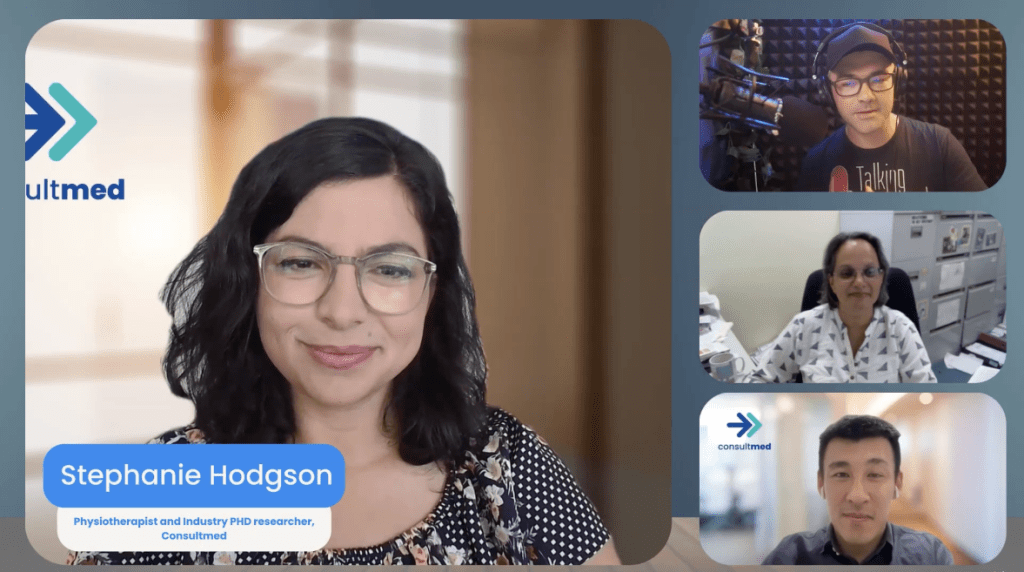
As Stephanie Hodgson observes:
“Clinical Advice and Guidance™️ could potentially address some of that pressure on those specialty services… it’s another opportunity to create a more consistent way to access timely written advice, regardless of postcode.”
Making digital pathways work in practice
A recurring theme is that technology alone is not enough. Poorly designed digital systems can add complexity or shift work from one part of the system to another. When implemented well, A&G platforms fit into daily workflows, support clear communication, and save time for both GPs and specialists.
Consistency matters. Clear referral criteria, embedded guidance, and shared state-wide approaches help clinicians make informed decisions and reduce variation in care. Importantly, written advice can also serve an educational role, building confidence and capability in primary care over time.
Lessons from the UK and beyond
International experience, particularly from the NHS, offers useful insights. In the UK, A&G has expanded rapidly, with national reporting suggesting that around half of requests prevent the need for an outpatient appointment.
As Charlie Winstanley puts it:
“It’s about making it as efficient as possible… and treating it like a clinical pathway, not just an inbox.”
Scaling these models requires clear processes, appropriate recognition of specialist time, and ongoing measurement of impact.
Looking ahead: AI and multidisciplinary networks
The episode also explores emerging uses of AI to support advice and guidance, such as generating draft responses for specialist review. Early pilots suggest potential time savings, provided strong clinical oversight and governance are in place.
There is also growing interest in extending advice and guidance beyond the GP–specialist relationship, supporting allied health professionals and multidisciplinary care through the same principles of timely, written expert input.
With thanks
This blog is based on Clinical Advice and Guidance™️ in Practice: Improving Equity and Outcomes for Patients and Clinicians, originally written and published by Talking HealthTech.
Our thanks to Peter Birch and the Talking HealthTech team for their thoughtful analysis and for generously allowing us to share and reflect on this work.
🎧 Listen to the podcast
🎥 Watch the podcast
📖 Read the original article